
Introduction to Trekking Culture in India
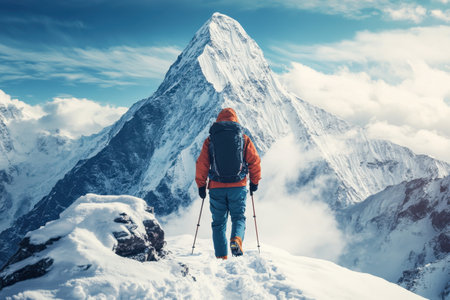
Trekking has emerged as one of the most beloved outdoor activities across India, drawing enthusiasts from every corner of the country. From the mighty Himalayas in the North, the lush Western Ghats in the South, the rugged terrains of the Northeast, to the scenic plateaus of Central India, the nation’s diverse geography offers endless trails for trekkers of all experience levels. In Indian culture, trekking is more than just a physical adventure—it is an opportunity to embrace nature, challenge oneself, and foster a sense of unity among like-minded explorers. Trekking clubs have become central to this vibrant community, acting as hubs where individuals connect over their shared passion for the outdoors. These clubs not only organize treks and expeditions but also cultivate a spirit of camaraderie, inclusivity, and collective adventure that reflects the unique blend of regional traditions and modern enthusiasm found across India.
2. Types of Trekking Clubs in India
India’s trekking scene is as diverse as its landscapes, and the types of trekking clubs reflect this vibrant mix. Whether you are a college student from Pune, a working professional in Bangalore, or an adventure enthusiast from the North East, there’s a trekking community for everyone. Here’s an insight into the key categories:
College & University Trekking Groups
Many educational institutions across India have their own trekking clubs. These clubs primarily cater to students and faculty, offering subsidized treks, training sessions, and inter-college adventure meets. They often operate in local languages such as Hindi, Tamil, Marathi, or Bengali—making them highly accessible for regional students.
Key Features:
- Student-friendly registration process
- Affordable trek packages
- Focus on skill development and safety
- Local language communication
Regional Adventure Communities
These clubs are formed by local outdoor enthusiasts and typically cover specific regions like the Western Ghats, Himalayas, Sahyadris, or Eastern Ghats. They are inclusive of all age groups and backgrounds and promote eco-friendly trekking practices. Many of these groups are known for their camaraderie, use of regional dialects, and celebration of local festivals during treks.
Examples by Region:
| Region | Popular Language(s) | Notable Club/Community |
|---|---|---|
| Maharashtra (Sahyadris) | Marathi/Hindi/English | Sahyadri Trekkers Association |
| Karnataka (Western Ghats) | Kannada/English | Bangalore Ascenders |
| West Bengal (Eastern Himalayas) | Bengali/English | Kolkata Explorers Club |
| Himachal/Uttarakhand (Himalayas) | Hindi/English/Pahari | The Himalayan Club |
Premium & Pan-India Clubs
If you’re looking for structured itineraries, certified trek leaders, insurance coverage, and nationwide presence, premium clubs like Indiahikes, YHAI (Youth Hostels Association of India), and Trek The Himalayas offer membership options open to all citizens and NRIs. They usually conduct treks across multiple states and ensure inclusivity by providing multi-language support—catering to both urban trekkers and those from smaller towns.
Main Advantages:
- Pan-India operations with local chapter support
- Multi-lingual staff (Hindi, English, regional languages)
- Online registration & member portals
- Diverse trek offerings—from beginner to advanced expeditions
- Inclusive for women, solo travellers, and senior citizens
Trekking Club Comparison Table:
| Type of Club | Main Audience | Language Support | Pan-India Presence |
|---|---|---|---|
| College/University Groups | Students & Faculty | Mainly Regional + English/Hindi | No (Mostly Local) |
| Regional Communities | Locals & Enthusiasts | Mainly Regional + Hindi/English | No (Regional Focus) |
| Premium/Pan-India Clubs | All Age Groups & Backgrounds | Multi-lingual Support (Hindi/English/Regional) | Yes (All Major States) |
This variety ensures that regardless of your location or language preference—be it Hindi in Delhi, Marathi in Mumbai, Tamil in Chennai, or English anywhere—you can find a trekking club that feels like home. This inclusivity is what makes India’s trekking culture truly unique.

3. Typical Registration Process
Registering with a trekking club in India is usually straightforward, but knowing the exact steps can make your journey smoother. Here’s a step-by-step guide tailored for Indian trekkers, covering both online and offline methods, as well as local nuances.
Step 1: Choose Your Club
Start by researching reputable trekking clubs based on your region—be it Bengaluru, Pune, Delhi, or the hills of Uttarakhand. Popular clubs often have active Instagram or Facebook pages where you can check recent treks and reviews.
Step 2: Gather Required Documents
You’ll typically need to provide:
- ID Proof: Aadhaar Card, PAN Card, or Voter ID
- Age Proof: School/college ID, birth certificate, or any government-issued document (most clubs require members to be above 18 years)
Step 3: Online vs. Offline Registration
Online Registration
Most urban-based clubs offer online registration via their websites or dedicated apps like Trekking India or local platforms such as Townscript. Fill out the digital form, upload scanned documents, and submit your details.
Offline Registration
If you prefer the old-school way or belong to a rural area, visit the club’s office or attend a meet-up. Carry photocopies of your documents and fill out the paper form provided by the club representative.
Step 4: Payment Modes
Trekking clubs in India commonly accept payments through UPI (using Google Pay, PhonePe, BHIM), Paytm wallets, net banking, and sometimes cash for offline registrations. Always keep a transaction screenshot or receipt for future reference.
Step 5: Confirmation & Communication
After successful registration and payment, you will receive a confirmation email or WhatsApp message with your member ID and further instructions. Some clubs add you directly to their WhatsApp group where trek updates and logistics are shared in real-time—so don’t forget to save their contact!
4. Essential Member Benefits
Becoming a member of a trekking club in India opens up a world of exclusive advantages, tailored to elevate your trekking experience while connecting you with the diverse outdoor community across the country. Here’s a detailed look at the essential perks every member enjoys:
Guided Treks with Certified Leaders
Members gain priority access to expertly guided treks, led by certified trek leaders familiar with local terrains—from the Himalayas to the Western Ghats. These guides ensure safety and share deep insights into the flora, fauna, and history of each trail.
Discounted Equipment Rentals
No need to invest heavily in trekking gear right away. Members benefit from discounted rates on essential equipment such as tents, sleeping bags, backpacks, and trekking poles—perfect for both beginners and seasoned trekkers.
| Equipment | Regular Price (INR) | Member Price (INR) |
|---|---|---|
| Tent (2-person) | 600/day | 350/day |
| Sleeping Bag | 300/day | 150/day |
| Trekking Pole | 100/day | 50/day |
First Aid & Safety Support
Your safety is always a priority. All registered members receive first aid support during treks—qualified staff carry medical kits and are trained in basic life-saving techniques. Emergency evacuation coordination is also included for high-altitude or remote expeditions.
Transport Coordination: Bus & Train Arrangements
Travel logistics in India can be challenging, but club membership simplifies this. The club organises group travel via buses or arranges bulk train ticket bookings (as per IRCTC rules), ensuring seamless connections from major cities like Delhi, Mumbai, Bengaluru, or Kolkata to trek base points.
| Service | Description | Member Benefit |
|---|---|---|
| Bus Coordination | Private/group bus arrangements to trailheads | Discounted fares & guaranteed seats |
| Train Booking Assistance | Bulk ticket booking and waitlist management on Indian Railways | No service charge for members; early confirmation priority |
Cultural Immersion & Community Events
The Indian trekking experience is about more than just mountains—its about people and tradition. Clubs regularly host community events such as chai sessions, bonfire nights, folk music evenings, local food tastings, and festival celebrations (like Holi trek camps or Diwali night hikes). These activities foster bonding among trekkers and create lasting memories deeply rooted in Indian culture.
5. Community Experience and Volunteer Opportunities
Joining a trekking club in India is not just about adventure; it is also about embracing the spirit of seva (selfless service), environmental consciousness, and community bonding. Many clubs across India actively encourage members to participate in volunteering activities, from organising clean-up drives in the Himalayas to supporting local villages during treks. These acts of seva are woven into the very fabric of Indian trekking culture, reflecting the deep-rooted value of giving back.
Eco-Friendly Practices and Sustainable Trekking
Indian trekking clubs take pride in promoting eco-friendly practices. Whether its following the “leave no trace” principle or using reusable water bottles and biodegradable materials, members are continuously educated on reducing their ecological footprint. Clubs often collaborate with local NGOs to conduct plantation drives or awareness campaigns in popular trekking regions like Himachal Pradesh, Uttarakhand, and the Western Ghats.
Inclusion and Local Social Initiatives
Trekking clubs in India celebrate diversity by ensuring that everyone—regardless of background, age, or gender—feels welcome. Special initiatives encourage participation from women trekkers, differently-abled individuals, and senior citizens. Many clubs partner with schools or community organisations to introduce underprivileged youth to the joys of the outdoors through sponsored treks and training sessions.
Camaraderie & Indian Hospitality
The essence of an Indian trekking club lies in its sense of camaraderie and hospitality. Stories abound of members sharing home-cooked meals on mountain trails, celebrating festivals like Diwali or Holi together during expeditions, and forming lifelong friendships under starlit skies. The warmth of Indian hospitality is ever-present—whether it’s sharing chai at a remote campsite or helping a fellow trekker overcome a steep climb. These moments create lasting memories and strengthen the bonds within the community.
By becoming a member of an Indian trekking club, you don’t just sign up for adventure—you become part of a family that values service, sustainability, inclusivity, and genuine connection with both people and nature.
6. Key Tips for New Members
Understanding Trek Levels
Before you sign up for your first trek, take time to understand the difficulty levels offered by your club. Indian trekking clubs typically categorize treks as Easy, Moderate, or Challenging. Beginners should start with easy treks like Nag Tibba or Kalsubai, while seasoned trekkers can aim for tougher trails in Himachal or Uttarakhand. Ask experienced members about their recommendations and read previous trek reports on the club’s WhatsApp or Telegram groups.
Dealing with Indian Weather
India’s weather is as diverse as its culture. From monsoon showers in the Western Ghats to sub-zero nights in Ladakh, each region has its quirks. Always check the local weather forecast and pack accordingly—carry rain gear during the monsoon and warm layers for Himalayan treks. Don’t underestimate the sun either; a good cap, sunglasses, and sunscreen are must-haves even in winter months.
Local Food & Etiquette
Trekking in India means embracing local cuisine. Expect simple meals like poha, paratha, dal-chawal, or Maggi at base camps and homestays. If you have dietary restrictions (like Jain food, no onion-garlic, or vegan preferences), inform the organizers in advance. Respect local customs—remove shoes before entering homes or temples, greet hosts with a “Namaste,” and always avoid littering (Swachh Bharat!).
What to Pack & How to Prepare
Your packing list depends on trek duration and region, but essentials include sturdy trekking shoes (Quechua is popular among Indian trekkers), a reusable water bottle, torch/headlamp, basic medicines, and personal ID proof (Aadhar card). For overnight treks, bring a sleeping bag if the club doesn’t provide one. Start your physical preparation at least two weeks prior: regular walks, stair climbing, and light jogging help build stamina.
Leverage Club Knowledge
The biggest benefit of joining an Indian trekking club is the collective wisdom of its members. Use club forums and WhatsApp groups to clarify doubts about gear shops (Decathlon is a favourite), trail conditions, permits (especially important for protected areas), or travel options from railway stations/bus stands. Don’t hesitate to ask questions—fellow trekkers are usually happy to share tips and even coordinate shared transport or gear rentals.
7. Contact, Support, and Social Media
Connecting with trekking clubs in India is now easier than ever, thanks to a blend of traditional and digital platforms. Most well-established trekking clubs maintain active WhatsApp groups—these are the backbone for instant updates, sharing trek details, arranging carpools, or even last-minute weather alerts. New members usually receive an invite link after registration; be sure to introduce yourself with a friendly “Namaste” and your trekking interests.
Instagram pages have become the digital showcase for club activities. Follow your club’s handle to catch up on trek highlights, member stories, upcoming event teasers, and even quick gear reviews by fellow trekkers. Clubs often use Instagram Stories to poll members about next destinations or share real-time trek moments, making you feel part of the tribe even before stepping onto a trail.
For those who prefer old-school methods or have limited internet access during treks, notice boards at popular base camps or local adventure stores still play a crucial role. These boards display printed schedules, emergency contacts, and any last-minute changes to trek plans—just like the classic chai shop conversations but with written proof!
Support Channels
If you need help with registration, payment queries, or trek logistics, most clubs offer dedicated support numbers—often managed by volunteers. Don’t hesitate to call or drop a WhatsApp message; responses are typically prompt (Indians take “Athithi Devo Bhava”—the guest is god—seriously!). Some larger clubs provide email support or live chat options on their websites for detailed queries.
Navigating Common Queries
Whether you’re wondering about required fitness levels for Himalayan treks or seeking advice on monsoon gear for Western Ghats trails, club admins and senior trekkers are just a message away. The WhatsApp group is also a great place to ask about train routes, shared taxis from railway stations (always ask if someone’s coming from your city!), and tips for first-time trekkers dealing with altitude sickness.
Stay Connected—The Indian Way
No matter which platform you choose—be it WhatsApp groups buzzing with memes and maps, Instagram feeds full of mountain vistas, or notice boards tucked behind tea stalls—the community spirit is what makes Indian trekking clubs special. Stay engaged, follow updates regularly, and never hesitate to reach out; after all, in India, every trekker is part of one big family!