
Introduction: The Spiritual and Natural Majesty of Kashmir
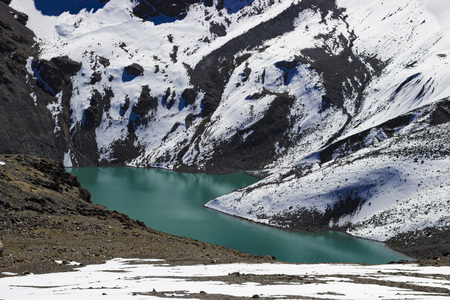
The Kashmir Valley, cradled by snow-clad peaks and emerald lakes, is a place where the soul of nature meets the heartbeat of spirituality. Here, every ripple in the water and every whisper of the pine forests seem to carry centuries-old stories, blending the region’s wild beauty with its sacred traditions. Among the treasures of this landscape lies the famous Kashmir Great Lakes Trek—a journey that unveils pristine alpine lakes like Vishansar, Gadsar, and Gangbal, each reflecting not just the sky but also echoes of devotion.
This trek is more than just a feast for trekkers’ eyes; it is intricately linked with one of India’s most revered pilgrimages—the Amarnath Yatra. Every year, lakhs of devotees traverse rugged mountain trails to pay homage at the holy Amarnath Cave, where Lord Shiva’s ice lingam forms naturally. The route and rhythm of local life change dramatically during this time as pilgrims share these ancient paths with adventure seekers from around the world. The convergence of the Great Lakes Trek with the spiritual pulse of Amarnath Yatra creates a unique cultural tapestry, highlighting how wilderness and worship coexist in Kashmir. In this land where every footstep resonates with faith and wonder, exploring these connections offers a deeper understanding of both the people and their paradise.
2. The Sacred Journey: Understanding Amarnath Yatra
The Amarnath Yatra is not merely a pilgrimage; it is the heartbeat of spiritual Kashmir, an annual journey that weaves ancient traditions with the rhythms of mountain life. Rooted deep in Hindu mythology, this yatra holds profound significance for millions across India, especially for those who revere Lord Shiva. Pilgrims embark on this sacred trek every year, enduring challenging terrain and unpredictable weather, all for a glimpse of the naturally formed ice lingam at the holy Amarnath cave.
The history of Amarnath Yatra is as old as the mountains themselves. According to local legends, the cave was discovered by a shepherd named Buta Malik, whose story echoes in every Kashmiri village. Over centuries, this trek has grown from a humble local ritual to one of the most iconic religious journeys in India. Its cultural tapestry is interwoven with faith and resilience, drawing people from diverse backgrounds into a shared spiritual experience.
For locals residing along the Kashmir Great Lakes Trek route, the yatra brings both anticipation and preparation. Village elders recall how their ancestors would host sadhus (holy men) and yatris (pilgrims), offering simple meals and shelter as acts of devotion. This tradition continues today, reflecting the warm hospitality intrinsic to Kashmiri culture. The festival spirit envelops the valleys, with songs, prayers, and colourful bazaars springing up wherever yatris pause to rest.
Key Aspects of Amarnath Yatra
| Aspect | Description |
|---|---|
| Spiritual Significance | Pilgrimage dedicated to Lord Shiva; witnessing the ice lingam is believed to grant moksha (liberation). |
| Cultural Practices | Community feasts, folk music, shared rituals between yatris and locals. |
| Local Traditions | Hospitality towards pilgrims; involvement in organising langars (community kitchens). |
| Regional Identity | Yatra shapes Kashmirs image as a land of devotion and natural beauty. |
This annual sacred journey does more than fulfil religious vows—it strengthens bonds within villages and between outsiders and locals. As yatris traverse meadows dotted with wildflowers and glacial streams, they become part of a living tradition that sustains both faith and community spirit in Kashmir. The yatra’s rhythm merges with everyday life, leaving footprints on the landscape and imprints upon regional identity that last far beyond the melting snows.

3. Trekking Through Paradise: The Kashmir Great Lakes Trail
The Kashmir Great Lakes Trek is nothing short of a pilgrimage for nature lovers and adventure seekers from every corner of Bharat. This trail, draped across the heart of the Himalayas, is often described as a journey through paradise itself. Trekkers begin their odyssey from Sonamarg, winding through lush meadows scattered with wildflowers, ancient pine forests whispering old Kashmiri tales, and quaint Gujjar settlements that stand as silent witnesses to centuries gone by. Each step along this trek brings a new lake into view – Vishansar, Gadsar, Satsar, Gangbal, and Nundkol – each more enchanting than the last.
The allure of this trail lies not just in its natural splendour but also in its untouched purity. The reflection of snow-kissed peaks on crystal-clear waters, the symphony of distant bells from grazing sheep, and the fragrance of pine and earth after a sudden rain shower create memories that linger long after the journey ends. For many trekkers, these moments are deeply spiritual, offering a rare sense of connection with both nature and oneself.
Yet, it is this very reliance on an unspoiled environment that makes the Kashmir Great Lakes Trek fragile. The growing popularity among adventure enthusiasts and the influx during the Amarnath Yatra season bring both excitement and concern to local communities. As people from all over India flock here seeking solace or adventure, there is an ever-present need to balance human aspiration with ecological responsibility. After all, the magic of these lakes depends upon their continued purity – something locals hold dear in their hearts, knowing well how delicately their livelihoods are intertwined with these mountains and waters.
4. Ripple Effects: Impact on Local Communities and Livelihoods
As the sacred Amarnath Yatra weaves its way through the breathtaking Kashmir Great Lakes region, the pulse of local life responds in unique ways. The steady stream of yatris, trekkers, and nature seekers brings a blend of promise and pressure to communities nestled in these hills. Let us take a closer look at how the intertwining forces of religious tourism and trekking shape the lives of Kashmiri villagers, ponymen, and artisans.
Economic Impacts: Opportunities and Uneven Gains
The influx of pilgrims and trekkers each season translates into fresh avenues for income. Ponymen find their services in high demand, guiding travelers across meadows and mountain passes. Villagers open up their homes as makeshift tea stalls or small dhabas, selling chai, maggi, and local breads. Artisans display their crafts—papier-mâché items, woolen shawls, and silver jewelry—hoping to attract buyers seeking mementos from the valley. Yet, these benefits are not shared equally. Some remote hamlets may see little change, while others become bustling seasonal hubs.
| Community Group | Positive Economic Impact | Challenges Faced |
|---|---|---|
| Ponymen | Higher seasonal earnings; expanded clientele | Unpredictable tourist flow; wear-and-tear on animals |
| Villagers | Sale of food and homestay services | Inflation; resource strain (fuel, water) |
| Artisans | Direct sales to tourists; increased visibility | Competition with cheap souvenirs; supply chain issues |
Social Changes: Connections and Concerns
The arrival of outsiders brings stories from far-flung corners of India—and sometimes the world—fostering new perspectives among locals, especially youth. There is pride in sharing one’s homeland and traditions with visitors. However, concerns rise about changing social dynamics: the loss of privacy, shifting values among young people, and occasional misunderstandings between guests and hosts. During peak yatra periods, the sudden population surge can lead to strains on basic amenities like healthcare or sanitation.
Cultural Impact: Preserving Identity Amid Change
Kashmir’s artisans often showcase centuries-old skills passed down generations—be it carpet weaving or wood carving. Tourists’ curiosity can help revive interest in these traditional arts, encouraging younger generations to learn family trades. On the other hand, commercialisation risks diluting cultural authenticity when mass-produced goods overshadow handmade crafts or when rituals are performed more for spectacle than spiritual meaning.
A Balancing Act: Embracing Benefits While Mitigating Challenges
The impact of religious tourism and trekking on local life in Kashmir is profound—a blend of hope and hardship that echoes through every village trail and mountain pass. For sustainable growth, community voices must be centered in decision-making: whether it is about regulating visitor numbers during yatra season or investing in infrastructure that serves both locals and guests. Ultimately, the goal is harmony—a gentle ripple effect that uplifts livelihoods while nurturing the timeless spirit of Kashmiri culture.
5. Balancing Faith, Ecology, and Life on the Ground
In the heart of Kashmir’s breathtaking landscape, the rhythm of life is a gentle weaving of ancient faith, fragile ecology, and daily human aspirations. The Amarnath Yatra, with its deep spiritual significance for lakhs of yatris each year, brings both blessings and challenges to the region surrounding the Great Lakes Trek.
The Sacred and the Sustainable
For many locals, the Yatra is not just a pilgrimage—it is an annual event that shapes the pulse of business, community, and environment. As pilgrims walk through pristine meadows and alpine passes, their presence tests the resilience of these delicate ecosystems. The elders recall times when nature and devotion existed in harmony; now, plastic waste and trampled grasslands often threaten this balance.
Voices from the Valleys
Grassroots perspectives reveal a nuanced reality. “Yatra gives us income, yes,” says Bashir bhai, a pony handler from Sonamarg, “but sometimes we worry about our rivers getting polluted.” Many villagers echo this sentiment—grateful for economic opportunities yet anxious about long-term impacts on their water sources, grazing lands, and children’s future. This tension sparks community discussions about how best to welcome guests without sacrificing natural heritage.
Navigating Between Devotion and Duty
Local NGOs and youth groups are emerging as bridges between tradition and transformation. They organize cleanliness drives during Yatra season, advocate for eco-friendly practices among yatris, and collaborate with authorities to manage waste more effectively. There is a growing call for responsible tourism—one that respects both the sanctity of Amarnath Ji and the sanctity of Kashmir’s environment.
Towards a Harmonious Tomorrow
The journey ahead requires mindful steps from all stakeholders: pilgrims who tread lightly, administrators who enforce sustainable guidelines, and villagers whose wisdom roots them to this land. Only by listening to voices on the ground can Kashmir’s Great Lakes remain a source of wonder—where faith uplifts hearts, ecology sustains life, and local dreams find space to blossom amidst Himalayan serenity.
6. Moving Forward: Fostering Harmony and Preservation
As we gaze upon the breathtaking beauty of the Kashmir Great Lakes, it is impossible to ignore both the blessings and challenges brought by the annual Amarnath Yatra. The rolling meadows, pristine lakes, and snow-capped peaks are not just a trekker’s paradise—they are also the sacred homeland for local communities whose lives have been intertwined with this land for centuries. To ensure that these treasures endure for generations to come, we must reflect deeply on how tourism and pilgrimage can coexist in a way that nurtures both nature and people.
Promoting Sustainable Tourism in Kashmir
Sustainable tourism is more than just a trend; it is a heartfelt necessity for Kashmir’s future. Stakeholders—trekkers, pilgrims, local guides, and authorities—must collaborate to create guidelines that limit environmental impact. Simple steps like responsible waste management, controlled visitor numbers during peak seasons, and prioritising eco-friendly accommodations can make a world of difference. It is essential to educate visitors about the fragility of the alpine environment and encourage respect for local customs and wildlife.
Empowering Local Communities
True harmony flourishes when those who call Kashmir home are actively involved in decision-making processes. Local voices should be at the forefront—whether it is creating employment opportunities as trek leaders, homestay hosts, or artisans sharing their traditional crafts. Cultural exchange initiatives foster understanding between visitors and residents, building bridges of empathy and appreciation. By supporting community-led projects, travellers can contribute directly to local well-being while experiencing authentic Kashmiri hospitality.
Cherishing Traditions While Embracing Progress
The spiritual significance of Amarnath Yatra runs deep in India’s collective heart. Yet, its impact must be balanced with reverence for the environment and respect for indigenous lifestyles. Pilgrims and trekkers alike can participate in conservation efforts—such as tree planting drives or lake clean-ups—turning their journeys into acts of service. By cherishing ancient traditions while embracing modern practices of preservation, we create space for both devotion and stewardship.
The path forward calls for mindful action rooted in compassion—for the land, its people, and its timeless spirit. As we walk the trails of Kashmir’s great lakes or join hands along the sacred routes of Amarnath, may our steps be gentle and our hearts open. In this way, we honour not only the mountains themselves but also all those whose stories are written upon them—ensuring that harmony and preservation remain at the centre of every journey.