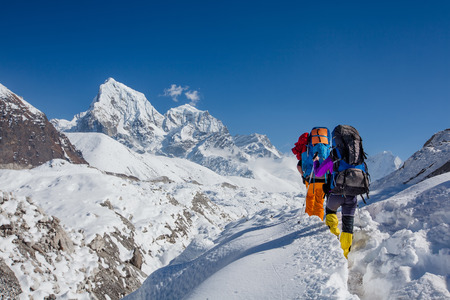

1. Understanding Thermal Inners and Their Role in Trekking
Thermal inners, often referred to as thermal wear or base layers in India, are specialised garments designed to regulate body temperature during outdoor activities like trekking. They are typically made from materials such as merino wool, polyester blends, or advanced synthetic fabrics that effectively trap body heat while allowing moisture to escape. For Indian trekkers who encounter a diverse range of climates—from the chilly Himalayan trails to the damp Western Ghats—thermal inners play a crucial role in ensuring both comfort and safety. By providing an insulating layer close to the skin, they help maintain warmth during cold mornings and nights, while also wicking away sweat during more strenuous daytime hikes. This balance is essential to prevent issues such as hypothermia or excessive sweating, which can lead to discomfort and even health risks on long treks. Understanding how thermal inners function lays the foundation for making informed choices when preparing for your next adventure in India’s varied landscapes.
2. Why Layering Matters: The Science Behind Staying Warm
Layering is a fundamental principle for trekkers, especially in a diverse country like India where climates can change rapidly from the Himalayan heights to the lush Western Ghats. Understanding why layering matters is essential for every Indian trekker aiming to stay comfortable and safe on their journeys.
The Importance of Layering
Layering clothing is not just about wearing multiple clothes; it’s a strategic method to trap body heat, manage moisture, and protect against varying weather conditions. Each layer serves a distinct purpose—working together to help regulate your body temperature efficiently, whether you are trekking through Himachal Pradesh’s snowy trails or the misty forests of Kerala.
The Science of Body Temperature Regulation
Your body constantly generates heat, and proper layering helps you retain this warmth while allowing sweat to escape. Without appropriate layers, sweat can make inner garments wet, leading to rapid heat loss and discomfort—particularly dangerous in cold environments.
| Layer Type | Main Function | Indian Trekking Example |
|---|---|---|
| Base Layer (Thermal Inners) | Moisture management, retains warmth | Keeps you dry during early-morning climbs in Uttarakhand |
| Middle Layer (Insulation) | Traps body heat | Provides extra warmth at Roopkund Lake or Kodachadri Peak |
| Outer Layer (Shell) | Protects from wind & rain | Shields against sudden downpours in Sikkim or fog in Nilgiris |
Relevance Across Indian Terrains
The varied geography of India means trekkers may experience everything from sub-zero temperatures in Ladakh to damp humidity in the Sahyadris. Effective layering allows trekkers to adapt quickly—simply adding or removing a layer as weather shifts. This adaptability is crucial for safety and comfort on multi-day treks across any Indian landscape.

3. Local Factors: Adapting to Indias Climate Diversity
When it comes to trekking in India, understanding the impact of local weather patterns is crucial for selecting the right thermal inners and mastering effective layering. India’s vast geography means trekkers may encounter everything from humid monsoons in the Western Ghats to freezing temperatures in the Himalayan highlands or the cold deserts of Ladakh and Spiti. Each region demands a tailored approach to your innerwear and overall clothing strategy.
Monsoons: Prioritising Moisture Management
During the monsoon season, especially in regions like Kerala, Sikkim, or Uttarakhand, humidity levels soar and rainfall is unpredictable. In these conditions, thermal inners made from quick-drying synthetic fibres or merino wool are ideal. They wick moisture away from your skin, keeping you dry and preventing chills when the temperature drops suddenly. Avoid pure cotton inners as they tend to retain moisture and may cause discomfort during long treks.
High Altitude Cold: Insulation is Key
Trekking in places like Himachal Pradesh, Kashmir, or Arunachal Pradesh exposes you to sub-zero temperatures and biting winds. Here, double-layered thermals or those with added insulation become necessary. Layering with a snug thermal base followed by fleece jackets and windproof outer shells helps maintain core body warmth. Opt for inners with a brushed interior for extra comfort against your skin.
Cold Deserts: Breathability & Flexibility
Ladakh and Spiti Valley present unique challenges with extreme day-night temperature variations and low humidity. Breathable thermals that offer warmth without overheating are best suited for such regions. Look for options that allow flexibility—you might need to add or remove layers quickly as conditions change throughout the trek.
Regional Adaptation Tips
- South India: Choose lightweight thermals suitable for moderate chill during early morning hikes.
- North-East Hills: Select mid-weight thermals that balance warmth with breathability amid misty and damp climates.
- Western Ghats: Prioritise quick-dry materials to combat persistent rain and sweat.
Always remember:
The right thermal inners can make all the difference between a safe, comfortable trek and an unpleasant or risky experience. By considering India’s diverse climatic zones, trekkers can make informed choices—ensuring each adventure remains both enjoyable and safe.
4. Choosing the Right Material: Cotton, Wool, or Synthetic?
When trekking across Indias diverse terrains, from the chilly Himalayas to the moist Western Ghats, picking the right material for your thermal inners is crucial for comfort and safety. Each fabric—cotton, wool, or synthetic—offers unique benefits and drawbacks, making your choice highly dependent on trek conditions and personal needs.
Comparing Popular Fabrics for Indian Treks
| Material | Performance | Comfort | Suitability for Indian Conditions | Safety Concerns |
|---|---|---|---|---|
| Cotton | Absorbs moisture but dries slowly; not ideal for cold or wet treks | Soft and comfortable in dry climates | Suitable for mild weather; not recommended for high-altitude or monsoon treks | Retains sweat, increasing risk of hypothermia in cold settings |
| Wool (Merino) | Excellent insulation even when wet; natural odor resistance | Soft (especially Merino); less itchy than traditional wool | Ideal for Himalayan and winter treks; good moisture management for variable weather | May cause allergies in some trekkers; can be expensive |
| Synthetic (Polyester/Blends) | Quick-drying; wicks away sweat effectively | Lightweight, flexible, often budget-friendly | Great for humid or rainy regions; versatile across seasons | Can retain odour; may feel less natural against skin in hot climates |
How to Choose Based on Trekking Needs?
- If trekking in North India during winter: Opt for merino wool inners for warmth and moisture management.
- If heading to the Western Ghats during monsoon: Synthetics are best as they dry quickly and prevent chills.
- Cotton is best reserved for casual walks or mild weather: Avoid cotton on high-altitude or long-duration treks due to its poor drying ability.
Selecting Your Thermal Inners: Practical Tips for Indian Trekkers
- Layer Smartly: Start with a base layer that wicks moisture (synthetic or merino), followed by insulating layers if needed.
- Check Fit: The inner should fit snugly without restricting movement—too loose and it won’t insulate; too tight and it may restrict blood flow.
- Pace Yourself: For high-exertion treks, prioritize breathability and quick-drying fabrics to stay safe from overheating or chills.
- Cultural Sensitivity: In remote regions, choose inners that provide modesty if you need to change layers in public areas.
- Caring for Your Gear: Always check washing instructions—wool requires gentler care compared to synthetics.
Your Safety Comes First!
The right thermal inner is more than just about comfort—it’s a safety essential that protects you from unpredictable mountain weather and keeps your trek enjoyable. Make your choice based on performance, comfort, and local climate demands, and always prioritise health over fashion while on India’s breathtaking trails.
5. Fit and Function: What Indian Trekkers Should Check Before Buying
When it comes to choosing thermal inners for trekking in India, the right fit and functionality are as important as material or warmth. Ill-fitting thermals can restrict movement, cause discomfort, or lead to chafing during long treks in the Himalayas, Western Ghats, or any other Indian terrain. Here’s what every Indian trekker should keep in mind:
Finding the Right Fit for Indian Body Types
Indian body types are diverse, so a one-size-fits-all approach rarely works. Look for brands that offer sizing specific to Indian measurements. Thermals should be snug enough to trap body heat but not too tight to restrict blood circulation or movement. Pay attention to shoulder width, arm length, and torso fit—especially if you have a broader frame or a petite build. When shopping online, always refer to the sizing chart and read user reviews from fellow trekkers for real-life feedback.
Ease of Movement on Challenging Trails
Trekking often requires climbing, bending, and stretching. Choose thermal inners made with stretchable fabrics that allow free movement without losing shape. Flatlock seams are ideal to prevent irritation during repetitive motion. Try raising your arms or squatting while trying on thermals to ensure maximum flexibility—a must-have feature whether you’re navigating snowy slopes in Uttarakhand or trekking through damp forests in Kerala.
Moisture-Wicking Properties for Indian Conditions
The Indian trekking landscape can shift from humid valleys to dry cold peaks within hours. Moisture-wicking thermals draw sweat away from your skin, keeping you dry and preventing chills when temperatures drop suddenly. Look for features like quick-dry technology or mesh panels for added ventilation. Avoid cotton-based thermals as they retain moisture and increase risk of hypothermia in colder regions.
How to Assess Thermal Inners Before Buying
- Check fabric composition: Opt for blends with merino wool, polyester, or bamboo for effective moisture management.
- Inspect the stitching: Reinforced seams ensure durability and comfort over long treks.
- Try them on with your outer layers: Layer up in-store if possible to see how the thermals interact with jackets and trousers.
- Ask about local weather suitability: Some stores offer advice tailored to popular Indian trekking destinations like Himachal Pradesh or Sikkim.
Your Comfort is Your Safety
A thermal inner that fits well not only keeps you warm but also helps avoid blisters, rashes, and muscle fatigue during your journey. Prioritize comfort over brand names—your safety and experience on the trail depend on it!
6. Care and Longevity: Maintenance Tips for Thermal Inners
Proper care of your thermal inners is essential not only for comfort but also to ensure their durability, especially considering the diverse climates and trekking conditions across India. Maintaining your thermals well can help you get the most out of your investment and keep you safe during unpredictable weather in the Himalayas or Western Ghats.
Washing Your Thermals: Indian Trekkers’ Guide
Always check the care label before washing. Most high-quality thermal inners, whether merino wool or synthetic, require gentle hand washing in cold water. Avoid hot water as it can shrink or damage the fabric, a common problem in many Indian households where hot water may be used for washing by default. Use a mild detergent; harsh chemicals like bleach can break down the fibers and reduce insulating properties. If machine washing is necessary due to limited access to hand-washing facilities on longer treks, select a gentle cycle and place thermals in a mesh laundry bag to prevent snagging.
Drying: Best Practices for Humid and Dry Regions
In humid regions such as the North East or during monsoon season, avoid drying thermals in direct sunlight for extended periods as UV rays can weaken fabric integrity. Instead, dry them indoors on a line or over a towel if possible. For drier climates like Ladakh or Rajasthan, shade drying is still preferable to maintain elasticity and colour. Never use a tumble dryer unless specified by the manufacturer.
Storing Thermals: Keeping Them Trek-Ready
Store your thermal inners completely dry to prevent mould or odour—a frequent concern for trekkers returning from wet expeditions. Fold them neatly and store in breathable cotton bags or pillowcases rather than airtight plastic bags, which trap moisture and promote mildew, particularly during India’s rainy season. For long-term storage between treks, add silica gel sachets or neem leaves to deter insects and absorb excess humidity.
Common Challenges & Solutions for Indian Trekkers
Frequent washing due to dust or sweat buildup on Indian trails can wear out thermals faster. To extend longevity, air out thermals after each use and spot-clean when possible instead of full washes. Always pack an extra set if you expect extended exposure to rain or snow so one pair can dry while the other is worn. Lastly, repair minor snags immediately with needle and thread; ignoring small tears can lead to bigger issues during future treks.
By following these simple maintenance tips tailored for Indian trekkers, you ensure that your thermal inners remain effective layer after layer—offering warmth, protection, and reliability wherever your adventure takes you.
7. Safety and Emergency Preparedness on Indian Treks
Indian trekking routes—from the chilly Himalayan slopes to the misty Western Ghats—demand thorough preparation, especially when it comes to personal safety and emergency management. One crucial aspect is the selection of proper thermal inners, which serve as your first line of defense against cold-related health risks such as hypothermia and frostbite. These risks are heightened in unpredictable Indian weather, where temperatures can drop suddenly, even in regions not traditionally known for freezing conditions.
The Critical Role of Thermal Inners in Safety
Wearing high-quality thermal inners ensures your body retains essential warmth while allowing moisture to escape. This balance keeps you dry, reducing the risk of chills that can escalate into severe health issues. Remember, cotton absorbs sweat and takes time to dry, making synthetic or merino wool thermals a safer bet for Indian treks.
Layering for Contingencies
Layering isnt just about comfort—it’s a proactive safety measure. In emergencies like sudden storms or getting lost, layered clothing gives you the flexibility to adapt quickly without exposing yourself to the elements. Always keep an extra pair of thermal inners in your backpack, sealed in a waterproof pouch.
Top Tips for Emergency Preparedness
- Check Local Weather: Always monitor regional forecasts before setting out. Indian climates can be highly variable from state to state.
- Pace Yourself: Overexertion causes excessive sweating, increasing chill risk when you stop moving. Dress in layers you can easily remove or add as needed.
- Stay Dry: Avoid letting your inners get wet from rain or sweat; change into dry ones at the first opportunity.
- Pack Essentials: Carry a compact emergency kit with space blankets, energy bars, and basic medication along with your spare thermals.
By prioritising suitable thermal inners and understanding their role in cold-weather survival, Indian trekkers can confidently explore the country’s diverse landscapes while minimising health risks. Being prepared is not just wise—it’s essential for a safe and enjoyable trek.