
1. Introduction to Hill Region Clothing
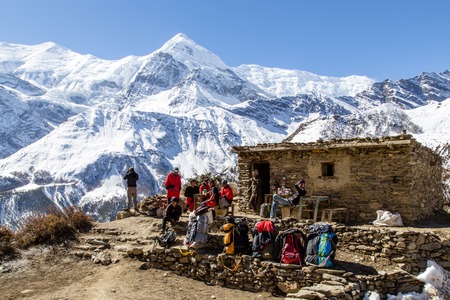
The hilly and Himalayan regions of India, from Himachal Pradesh to Uttarakhand and beyond, are not just marked by their breathtaking landscapes but also by the unique traditional clothing worn by local communities. The attire in these areas is shaped by a blend of climatic needs, religious influences, and rich cultural heritage. In the biting cold of the mountains, people have crafted garments that offer warmth as well as a strong sense of identity and belonging. Whether it is the thick woollen shawls of Kullu, the intricately woven pattu from Himachal, or the vibrant bakhu of Sikkim, each piece of clothing tells a story of adaptation and artistry. Local fabrics, patterns, and colours often reflect both spiritual beliefs and the everyday realities of hill life, making these styles not just functional but deeply meaningful. The aesthetic choices—be it the selection of motifs or the style of draping—are influenced by ancient customs and rituals that continue to hold significance in modern times. This harmonious blend of practicality and tradition defines the essence of hill region clothing in India.
2. Religious Influences on Attire
India’s hilly regions are a melting pot of faiths, and this spiritual diversity is beautifully reflected in local clothing traditions. The daily attire, festive costumes, and even the color palettes often hold deep symbolic meanings rooted in Hinduism, Buddhism, and indigenous beliefs. In the hills of Uttarakhand, Himachal Pradesh, Sikkim, and Arunachal Pradesh, for instance, it is common to see a blend of these religious influences in the textiles and motifs chosen by different communities.
Hinduism: Sacred Colours and Motifs
For many hill communities following Hinduism, specific colors are considered auspicious. Saffron (kesariya), red (lal), and yellow (peela) often dominate traditional wear during festivals or temple visits. These colors symbolize purity, power, and spirituality. Many women wear red bindis or sindoor as a sign of marital status, while men may don dhotis or kurta-pajamas with angavastram draped over their shoulders. Embroidered motifs such as peacocks or lotus flowers echo sacred Hindu iconography.
Buddhism: Monastic Simplicity and Symbolic Patterns
In Himalayan states like Sikkim and Arunachal Pradesh, Buddhist traditions influence both monks’ robes and laypeople’s festival attire. Robes in maroon, ochre, or saffron are symbolic of renunciation and humility. The use of handwoven woolen shawls featuring intricate geometric patterns often represents Buddhist symbols like the endless knot or lotus. Everyday attire for Buddhist hill dwellers frequently incorporates these designs as a mark of respect for their faith.
Indigenous Faiths: Nature-inspired Weaves
The indigenous tribes of the hills—such as the Lepchas, Bhutias, Gaddis, and Apatanis—draw inspiration from nature worship and animistic rituals. Their clothing styles favour natural fibres like wool and cotton dyed with plant-based colours. Animal motifs, zigzag lines representing rivers, or sun and moon symbols embroidered onto garments serve both decorative and spiritual purposes. These unique elements distinguish them from mainstream Hindu or Buddhist communities.
Religious Influence on Clothing Elements
| Religion/Belief | Main Textile | Common Colours | Typical Motifs/Symbols |
|---|---|---|---|
| Hinduism | Cotton, Silk | Saffron, Red, Yellow | Lotus, Peacock |
| Buddhism | Wool, Silk blends | Maroon, Ochre | Endless Knot, Lotus |
| Indigenous Faiths | Wool, Cotton (natural dyes) | Earthy tones | Animals, Rivers, Sun/Moon |
Cultural Syncretism in Daily Life
The overlapping religious influences have created a vibrant syncretic culture where dressing is not only about tradition but also about expressing identity and faith. Whether at a mela (fair), wedding ceremony or during local festivals like Losar or Makar Sankranti, hill people showcase their beliefs through their unique attire choices—an elegant testament to India’s pluralistic spirit.

3. Local Ethnic Diversity and Clothing Practices
The Indian hill regions are a vibrant tapestry of communities, each with their own unique identity reflected in traditional clothing. Among these, the Gaddi people of Himachal Pradesh stand out for their iconic woolen chola (robe) and dora (woolen belt), perfectly suited for the chilly mountain climate. The Gaddi men often sport the distinct round woolen cap, known locally as topi, which is more than just an accessory—it’s a symbol of pride and status within their community.
Moving eastwards, the Kumaoni community of Uttarakhand reveals another facet of hill attire. Kumaoni women are often seen in bright Pichora—a yellow or orange veil adorned with red dots, especially during festivals and religious ceremonies like Kumaoni weddings. Men typically wear a long kurta-pajama set, paired with the regionally crafted woolen cap called pahari topi, which varies in embroidery and design according to district and family tradition.
The neighboring Garhwali population, also in Uttarakhand, maintains its own sartorial legacy. Garhwali women are known for their elegant sarees draped in a unique regional style called Pichoda, often accentuated with silver jewelry and nose rings that hold cultural significance. The men prefer simple yet functional woolen jackets and caps, tailored to withstand the unpredictable mountain weather while still allowing ease of movement for agricultural work or religious gatherings.
Across these communities, clothing is not merely about protection from the elements but deeply intertwined with local beliefs and customs. For instance, certain motifs embroidered on garments signify auspiciousness or ward off evil spirits—a practice rooted in centuries-old faiths and rituals unique to India’s hills. In many villages, traditional headgear such as the Gaddi’s topi or the Garhwali cap is worn proudly during festivals like Makar Sankranti or local fairs (Melas), signifying unity and respect for ancestral customs.
This rich diversity in attire is celebrated as much for its practicality as it is for its symbolism. With every thread and fold, hill communities express their connection to land, religion, and heritage—making traditional dress both a daily necessity and a living canvas of Indian hill culture.
4. Symbolism and Beliefs Reflected in Clothing
In the hills of India, traditional clothing is not merely about fabric and fashion—it’s a living canvas that mirrors social hierarchies, marital status, and deep-rooted spiritual beliefs. For many local communities, each piece of attire holds significant meaning, passed down through generations.
Social Status Indicated by Attire
The distinction of social rank is often visually communicated through specific garments, embroidery patterns, or the quality of materials used. For example, in Himachal Pradesh and Uttarakhand, woolen shawls with intricate designs are often reserved for elders or community leaders. Wealthier families may opt for finer pashmina or more elaborate silver jewelry to complement their traditional outfits.
| Clothing Element | Indication | Example (Local Term) |
|---|---|---|
| Shawl Material | Wealth & Social Status | Pashmina vs Sheep Wool (Chamba Rumal) |
| Headgear (Cap) | Community/Region | Kullu Topi (Himachal), Kumaoni Topi (Uttarakhand) |
| Jewellery Quantity | Affluence & Respect | Nath (Nose Ring), Chandan Haar (Necklace) |
Marital Status and Gender Roles
Traditional clothing also reveals marital status. In many hill regions, a married woman wears distinctive ornaments like the ‘nath’ (large nose ring) or special red bangles called ‘chooda’, while unmarried women usually wear simpler jewelry. The saree draping style or the presence of a ‘pallu’ over the head can indicate whether a woman is married, especially during religious functions or festivals.
| Status | Typical Attire/Jewelry | Cultural Significance |
|---|---|---|
| Unmarried Woman | Simpler earrings, no chooda or nath | Represents purity and readiness for rituals like Swayamvar |
| Married Woman | Nath, chooda, sindoor (vermilion) | Denotes marital bond and blessings from deities like Parvati Mata |
| Elderly Women/Men | Darker colors, heavier shawls/caps | Symbolizes wisdom and respected status in community gatherings like Panchayat meetings |
Spiritual Beliefs Embodied in Dress Codes
The integration of faith with attire is apparent during festivals such as Nanda Devi Raj Jat Yatra or Mahasu Devta fair. People adorn themselves in vibrant hues considered auspicious—like red and yellow—while specific motifs embroidered on clothes act as talismans against evil spirits. Sacred threads (‘kalava’) tied around the wrist or waistbands decorated with religious symbols reflect devotion to local deities.
Cultural Insights from the Hills:
- Kumaoni and Garhwali communities: Women wear ‘pichora’ during weddings—a saffron-dyed veil with religious motifs signifying blessings from Goddess Nanda Devi.
- Bhotia tribes: Their layered woolen dresses not only protect against harsh weather but also feature Buddhist symbols representing peace and harmony.
The Living Tradition Continues…
The symbolism woven into hill attire ensures that every thread tells a story of belonging, reverence, and identity—making traditional clothing an inseparable part of both daily life and spiritual expression in the Indian hills.
5. Festivals, Rituals, and Seasonal Adaptations
The Vibrant Attire of Hill Festivals
In the hills of India, festivals are not just occasions for celebration—they are vibrant displays of tradition, spirituality, and communal unity. The attire worn during these events is deeply rooted in both religious and local beliefs. For instance, during Diwali, people from the Kumaon region often don brightly embroidered lehengas and kurta-pajamas, adorned with silver jewellery that reflects the festive lights. In contrast, Losar, the Tibetan New Year celebrated in Himachal and Ladakh, sees locals donning thick woolen chubas (robes) with colourful sashes, symbolising warmth and prosperity as well as spiritual renewal.
Rituals and Symbolic Elements
The clothing chosen for festivals is far from arbitrary. Each garment and accessory carries symbolic meaning. During Holi, for example, cotton kurtas and sarees in white or light shades are commonly worn to highlight the vibrancy of the coloured powders used in celebrations. Jewellery such as nose pins, bangles, and anklets made from silver or brass are often considered auspicious and are integral to ritualistic dressing across different hill communities.
Adaptations with Changing Seasons
The climate in India’s hilly regions can be unpredictable, prompting adaptations in traditional attire according to the season. In winter months—especially around festivals like Losar—locals layer their outfits with handwoven shawls such as the Himachali pattu or Naga shawls for insulation against the cold. Monsoon and summer festivals bring lighter fabrics like mulmul cotton or locally sourced hemp, ensuring comfort while maintaining cultural aesthetics. These seasonal adaptations not only reflect practical needs but also demonstrate a harmony between nature and tradition inherent in hill culture.
6. Modern Adaptations and Contemporary Trends
The hills of India, stretching from Himachal Pradesh to the North East, have always boasted a rich tapestry of traditional clothing deeply rooted in local customs and religious beliefs. Today, younger generations are redefining what it means to dress traditionally, blending age-old styles with urban fashion and global influences, yet retaining their unique cultural identity.
Fusion of Old and New
Youngsters in the hill regions are increasingly experimenting with their attire. It is common to see traditional handwoven shawls or stoles—such as the Himachali pattu or Naga shawl—styled over jeans, t-shirts, or Indo-western dresses. This fusion not only adds a layer of comfort and versatility but also proudly displays their ethnic roots amidst the cosmopolitan trends that sweep through cities like Delhi or Bengaluru.
Role of Social Media & Bollywood
Social media platforms like Instagram and YouTube have become powerful tools for hill youth to showcase their modern takes on traditional wear. Influencers often mix vibrant phiran kurtas from Kashmir with chunky sneakers or style the Khasi jainsem with contemporary accessories. Bollywood celebrities too, when spotted in regional textiles during festivals or movie promotions, further popularise these trends among urban audiences across India.
Retaining Cultural Identity
Despite these adaptations, there is a strong sense of pride in maintaining cultural symbols. Traditional motifs, hand embroidery such as Chamba rumal work or Apatani bead jewellery, continue to feature prominently even in modern ensembles. During festivals like Losar or Baisakhi, youths prefer donning complete traditional attire to honour their heritage and community values.
Eco-Friendly Choices & Local Artisans
The growing awareness about sustainability has inspired many young people to support local weavers and artisans. Purchasing handloom fabrics directly from villages not only helps preserve ancient weaving techniques but also boosts the local economy—a value deeply respected in Indian culture.
A Dynamic Tradition
In essence, clothing styles in India’s hill regions today reflect both continuity and change. The adaptability shown by younger generations ensures that while global fashion finds its way into their wardrobes, the heart of hill traditions beats strong—making every ensemble a living narrative of faith, locality, and evolving identity.