
Understanding Indian Cultural Diversity
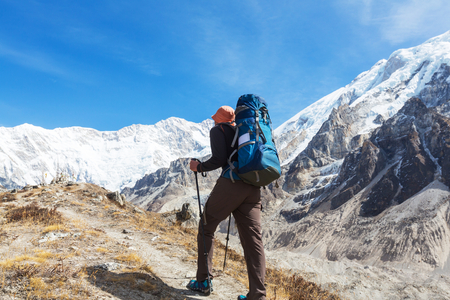
India is a land renowned for its breathtaking trekking trails, stretching from the Himalayan ranges in the north to the Western Ghats in the south. However, what truly sets India apart is not only its natural beauty but also the remarkable diversity of cultures that exist side by side. Each region you trek through presents its own unique customs, languages, and traditions shaped over centuries. From the Buddhist influences in Ladakh and Sikkim, to the tribal practices of Nagaland, or the warm hospitality of Himachal Pradesh villages, trekkers are constantly entering new cultural landscapes. Recognising this multiplicity is essential when trekking in groups; it is important to understand that local customs may vary significantly even between neighbouring regions. By taking time to learn about these differences before and during your journey, you demonstrate respect for local communities and ensure a more meaningful and harmonious trekking experience for everyone involved.
2. Appropriate Behaviour in Sacred and Rural Areas
Trekking through India’s diverse landscapes often brings you into contact with sacred sites, rural villages, and places of deep cultural significance. Showing proper respect is essential for a positive experience—both for your group and the local communities. Here are some practical tips to help you carry yourself respectfully when encountering temples, religious symbols, or village life along the trekking routes.
Respecting Temples and Religious Sites
Temples and shrines are common in Indian trekking regions. It’s important to understand that these are not tourist attractions but active places of worship. Before entering any temple:
- Remove your shoes at the entrance. This is non-negotiable in most Hindu, Sikh, Buddhist, and Jain temples.
- Dress modestly: Cover shoulders, arms, and legs. Wearing shorts or sleeveless tops is considered disrespectful.
- Ask before taking photos. Many temples prohibit photography inside or near idols.
- Remain quiet and avoid loud conversations.
- If unsure about any custom, observe locals or ask your guide.
Appropriate Behaviour Table
| Situation | Dos | Donts |
|---|---|---|
| Entering a temple | Remove shoes, cover head if required (especially in Sikh gurdwaras), dress conservatively | Wear hats/caps, take selfies with idols, speak loudly |
| Passing religious symbols (e.g., prayer flags, shrines) | Circumambulate clockwise if walking around, walk quietly, show reverence | Touch or sit on religious objects, block pathways during rituals |
| Village interaction | Greet elders with “Namaste” (hands together), accept tea or snacks with right hand | Sit with feet pointing at people or altars, enter homes uninvited |
Navigating Village Life with Sensitivity
The villages you pass through have their own unwritten codes of conduct. Respecting these fosters goodwill and enriches your trekking experience:
- Avoid public displays of affection.
- Acknowledge local customs: For example, stand up when an elder enters a room or greet villagers first.
- Seek permission before photographing people or their property.
- Refrain from handing out money or gifts to children; instead, donate through local organizations if you wish to support the community.
Cultural Sensitivity Tips Specific to Indian Trekking Regions:
- “Jai Mata Di” or “Ram Ram”: Common greetings near temples or on pilgrim routes; use them as a sign of respect.
- Bargaining: In small village shops, gentle negotiation is accepted but should be done politely—never aggressively.
- No entry zones: Some areas are off-limits to non-locals; always follow posted signs and your guide’s advice.
Treat every interaction as a chance to learn from local traditions. By following these guidelines and being mindful of your behaviour in sacred and rural settings, you’ll build bridges of trust and leave lasting positive impressions throughout your journey in India.

3. Dress Code and Personal Presentation
Understanding Modesty in Indian Culture
When trekking in India, especially in rural or mountainous regions, dressing modestly is not just a sign of respect but also an important cultural norm. Both men and women are generally expected to cover their shoulders, chest, and legs. For women, wearing long trousers or leggings with a loose-fitting top or kurta is highly recommended. Men should opt for long pants and t-shirts or shirts that cover the shoulders, avoiding sleeveless tops. Shorts are best avoided unless you are certain that the local community is comfortable with such attire.
Adapting to Climate While Maintaining Respect
India’s diverse climate can be challenging for trekkers, but it is possible to stay cool and comfortable without compromising on modesty. Choose lightweight, breathable fabrics like cotton or linen that provide ventilation yet offer coverage. A scarf or dupatta can be useful for women to drape over the chest or head when entering villages or sacred spaces. Wearing a hat or cap is acceptable for sun protection, but remember to remove it when entering temples or homes as a sign of respect.
Cultural Significance of Appropriate Attire
Appropriate dress is closely linked to how locals perceive you and your group. Dressing respectfully shows that you value the customs of the community and fosters positive interactions. In many regions, locals may associate revealing clothing with urban lifestyles or Western media, which can lead to misunderstandings or discomfort. By following local dress codes, you help build trust and demonstrate cultural sensitivity—qualities highly appreciated by Indian hosts.
4. Group Dynamics and Local Interaction
Trekking in India is a collective adventure where group behaviour deeply influences your connection with local guides, porters, and the communities you meet on the trail. To truly respect Indian customs, it is important to be mindful of not only your individual actions but also how your entire group presents itself. Here are some practical tips and cultural insights for harmonious and respectful interactions:
Advice for Interacting with Local Guides and Porters
Indian trekking staff—guides, porters, cooks—are often from mountain villages and may follow unique traditions. Treating them with dignity, patience, and gratitude goes a long way.
Do’s |
Don’ts |
|---|---|
| Greet your guides and porters respectfully (say “Namaste” or “Jai Hind”) | Avoid raising your voice or showing impatience if things move slowly |
| Offer thanks frequently (“Dhanyavaad” means thank you) | Do not assume everyone speaks English; use simple words or gestures |
| Share meals when invited, respecting their dietary preferences (many may be vegetarian) | Avoid discussing politics or sensitive religious issues unless initiated by locals |
| If appropriate, tip according to local norms at the end of the trek | Avoid flaunting wealth or expensive gear in front of staff |
Engaging with Local Communities as a Group
When passing through villages or visiting temples, your group’s behaviour reflects on all trekkers. Small gestures can build trust and friendship.
- Move in Smaller Groups: Large groups can overwhelm village spaces. Split into smaller teams if possible, especially when entering homes or shrines.
- Follow Dress Codes: Many rural communities prefer modest attire. Cover shoulders and knees, especially when visiting sacred places.
- Ask Before Photographing: Always seek permission before taking photos of people or inside temples. A polite “Photo lene ki ijaazat hai?” (“Is it okay to take a photo?”) shows respect.
- Participate Respectfully: If invited to join a festival or ritual, observe first and participate only after understanding the customs. Avoid stepping into inner temple sanctums unless specifically permitted.
- Avoid Littering: Carry all waste back with you; many villages have limited waste disposal facilities. Set an example for other trekkers by using reusable bottles and bags.
The Power of Humility and Open-Mindedness
Your willingness to adapt—be it eating local food with your hands, removing shoes before entering homes, or learning a few Hindi phrases—will be noticed and appreciated. Remember that in Indian culture, humility is highly valued; showing genuine curiosity about local ways instead of imposing your own practices will create lasting goodwill both for yourself and your group.
5. Responsible Environmental Practices
When trekking in India, showing respect for the environment is deeply intertwined with respecting local customs. Many Indian communities, especially those living in the hills and forests, view nature as sacred and expect visitors to do the same. Following responsible environmental practices is not just about preserving nature but also about honouring local beliefs.
Minimising Environmental Impact
Always stick to marked trails and avoid disturbing the natural habitat. Carry reusable water bottles and tiffin boxes to reduce single-use plastic waste, which is a growing concern in India. When you pack food, opt for biodegradable packaging or traditional cloth wraps. Remember, leaving behind plastic or non-biodegradable waste is considered highly disrespectful in most Indian trekking destinations.
Respecting Local Laws and Guidelines
Many trekking regions in India have strict rules regarding campfires, wildlife interaction, and litter disposal. Always check with local authorities or your trek guide about regulations specific to the area. In some states like Uttarakhand and Himachal Pradesh, burning wood or making open fires is strictly prohibited due to forest fire risks. Disregarding these laws can not only harm the environment but also offend local communities who rely on these natural resources for their livelihood.
Maintaining Cleanliness: A Cultural Value
Cleanliness holds significant cultural value in India, often associated with spiritual purity. The “Swachh Bharat Abhiyan” (Clean India Mission) has further reinforced this aspect in recent years. Make it a habit to carry a small trash bag during your trek to collect your own waste and any litter you might find along the way. Dispose of waste only at designated areas or carry it back to the base village. By doing so, you not only maintain the beauty of Indias trekking routes but also show genuine respect for local customs and traditions.
Respecting Food, Dining, and Local Hospitality
When trekking in India, especially in rural or mountainous regions, food is not just sustenance—it is a vital part of the local culture and an expression of hospitality. Understanding and respecting local dining etiquette can deepen your connections with the communities you encounter and ensure harmonious group experiences.
Etiquette for Accepting Food and Drinks
In many Indian cultures, offering food or drink to a guest is a gesture of goodwill. If your host presents chai, snacks, or a meal, it is polite to accept, even if only in small amounts. Refusing outright can be seen as disrespectful. Use your right hand when receiving food or drinks, as the left hand is considered unclean in traditional settings. Always express gratitude by saying “Dhanyavaad” (thank you), and avoid wasting food—take only what you can finish.
Participating in Shared Meals
During treks, you may share meals with locals or your trekking group, often sitting on the floor or at low tables. Wait for elders or hosts to start eating before you begin. In some communities, meals are served on banana leaves or metal thalis; use your right hand for eating and avoid touching communal dishes directly. Sharing and passing food with respect shows appreciation for community values. If offered seconds, it’s customary to accept a little more as a sign of enjoyment.
The Role of Traditional Hospitality
Indian hospitality follows the principle of “Atithi Devo Bhava”—the guest is God. Many homestays and village households go out of their way to make trekkers feel welcome. Respect this generosity by being open-minded about local flavors and customs, helping with light chores if invited, and maintaining tidiness in shared spaces. Building rapport with your hosts through conversation about their traditions can enrich your trekking experience and foster mutual respect.
Navigating Dietary Preferences
If you have dietary restrictions (vegetarian, vegan, allergies), communicate them politely ahead of time. Most hosts will try to accommodate but understand that options may be limited in remote areas. Graciously accept what is offered within your limits and thank your hosts for their effort.
Cultural Sensitivity During Festive Meals
Trekking during festivals or special occasions may lead to invitations for celebratory meals. Participate respectfully by following the cues of your hosts—some events may involve rituals or prayers before eating. Dress modestly and avoid alcohol unless specifically offered by your host.
By embracing local dining etiquette and the spirit of hospitality along your trek, you show respect for Indian customs and create meaningful memories that extend far beyond the trail.