
Introduction: Trekking Culture in India
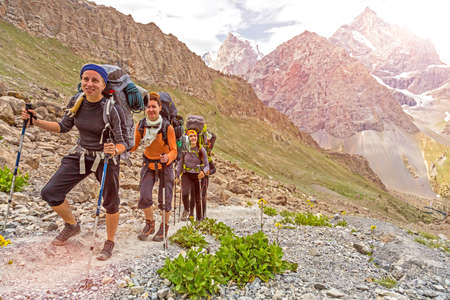
Trekking has rapidly evolved into one of the most popular adventure activities among Indian travellers, capturing the imagination of youth and seasoned explorers alike. With India’s diverse topography, trekkers are spoilt for choice—from the snow-capped peaks of the Himalayas to the lush green trails of the Western Ghats and the unexplored beauty of North East India. Destinations like Uttarakhand, Himachal Pradesh, Sikkim, Arunachal Pradesh, and Karnataka have become household names among trekking enthusiasts, each offering a unique blend of culture, natural beauty, and challenge. As more Indians look to reconnect with nature and test their endurance, trekking—whether in groups or solo—has emerged as a preferred escape from urban life. This growing trend reflects not only a passion for adventure but also an increasing awareness about health, sustainable travel, and the thrill of discovering India’s hidden gems.
Benefits of Group Trekking for Indian Adventurers
For many Indian trekkers, group trekking is not just an activity but a celebration of togetherness and shared experiences. Choosing to trek in a group offers numerous advantages that align with Indian values and preferences.
Safety in Numbers
One of the biggest benefits of group trekking is enhanced safety. Trekking in India often involves remote trails, unpredictable weather, and varying terrain. In a group, there is always someone to lend a helping hand or seek assistance during emergencies. This collective support minimizes risks and provides peace of mind, especially for first-time trekkers or those venturing into challenging regions like the Himalayas or Western Ghats.
Bonding with Family and Friends
Indians cherish family bonds and friendships. Group trekking becomes an opportunity to deepen these relationships as you face challenges, share stories, and create memories together. Many families and friend circles plan treks as part of festive getaways or special occasions. The shared experience brings people closer and encourages team spirit—something highly valued in Indian culture.
Community-Oriented Experiences
India’s cultural fabric is woven with community-centric values. Organized trekking groups cater to this preference by offering packages that include vegetarian meal options, Hindi-speaking guides, and itineraries suited for all age groups. Joining such groups helps adventurers meet like-minded people from across the country, exchange travel tips, and celebrate local festivals together on the trail.
Quick Comparison: Solo vs Group Trekking Benefits
| Aspect | Group Trekking | Solo Trekking |
|---|---|---|
| Safety | High (support system) | Lower (self-reliant) |
| Cultural Connection | Strong (community focus) | Limited (personal experience) |
| Cost Sharing | Easier (split expenses) | Difficult (individual costs) |
| Motivation & Morale | Sustained by group energy | Depends on self-motivation |
| Camaraderie | Opportunity to bond & make friends | Lesser chance for socializing |
Conclusion
If you value safety, enjoy connecting with others, and prefer organized support that respects Indian traditions and dietary preferences, group trekking can be the ideal choice for your next adventure.
3. Pros of Solo Trekking: Finding Yourself in the Great Indian Outdoors
Solo trekking has been gaining momentum among young Indian adventurers, with many seeking an authentic connection to both nature and themselves. One of the key benefits is personal growth. Exploring the untouched trails of Himachal or Uttarakhand alone gives trekkers a unique opportunity to understand their strengths, confront fears, and gain confidence with each step. When you’re navigating the rugged Western Ghats or the mystical valleys of North-East India on your own, every decision is yours—this fosters self-reliance, a quality highly valued by today’s independent-minded youth.
Another major advantage is the freedom to customise your itinerary. Unlike group treks, solo journeys allow you to set your own pace—stop for chai at a local dhaba, spend more time photographing Ladakh’s surreal landscapes, or detour into a village mela you stumble upon unexpectedly. This flexibility is especially attractive to younger Indians who value experiences over rigid schedules.
Solo trekking also encourages deeper cultural immersion. Without the buffer of a group, you interact directly with locals—sharing stories around a bonfire in Spiti, learning traditional recipes from Garhwali hosts, or understanding tribal customs in Arunachal Pradesh. These authentic exchanges can be transformative and help develop empathy and respect for India’s diversity.
However, while solo trekking offers unmatched rewards in terms of independence and self-discovery, it requires strong preparedness and safety awareness—a topic we’ll explore further as we compare both trekking styles.
4. Potential Risks: Group vs Solo Trekking in the Indian Context
Trekking in India, whether solo or in a group, presents unique risks and challenges shaped by local geography, culture, and infrastructure. Understanding these aspects is crucial for Indian adventurers looking to make informed decisions about their trekking experience.
Safety Concerns
| Aspect | Group Trekking | Solo Trekking |
|---|---|---|
| Personal Safety | Greater safety in numbers; reduced risk of wildlife encounters or theft; group members can assist during emergencies. | Higher vulnerability to accidents, wildlife, or getting lost; delayed assistance if injured or unwell. |
| Medical Emergencies | Easier to get help quickly; at least one member may have first aid knowledge or access to emergency contacts. | Limited support; must be self-reliant for first aid and reaching help, which can be difficult on remote Indian trails. |
| Navigation | Shared responsibility for route planning; less likely to miss trail markers or get lost, especially in regions with sparse signage like Ladakh or the Western Ghats. | Increased risk of misnavigation due to lack of signboards and language barriers in remote areas. |
Logistical Challenges
India’s trekking infrastructure varies greatly between popular trails like those in Himachal Pradesh and remote routes in Northeast India.
- Group Trekkers: Benefit from pooled resources for equipment, food, and transportation. However, groups may face delays due to coordination and slower decision-making.
- Solo Trekkers: Enjoy greater flexibility but must manage all logistics independently—finding accommodation in small villages, arranging permits (sometimes requiring local language proficiency), and dealing with unexpected trail closures alone.
Cultural Interactions & Language Diversity
Trekking through India exposes adventurers to a mosaic of languages and cultures. This is both enriching and challenging:
- Group Trekkers: Often include members who speak multiple regional languages (Hindi, Bengali, Tamil, etc.), easing communication with locals. Larger groups are sometimes viewed more favorably by villagers and authorities, especially when seeking assistance or accommodation.
- Solo Trekkers: May struggle with language barriers in states where English or Hindi are not widely spoken. Solo female trekkers might also face additional scrutiny or unwanted attention in conservative regions.
Summary Table: Key Risks Compared
| Risk Factor | Group Trekking | Solo Trekking |
|---|---|---|
| Safety from Wildlife/Theft | High (safer) | Medium-Low (riskier) |
| Crisis Response Time | Fast (help on hand) | Slow (self-dependent) |
| Cultural Navigation/Languages | Easier (multiple speakers) | Difficult (may face barriers) |
| Logistical Flexibility | Low-Moderate (group consensus needed) | High (full independence) |
| Mental Health/Isolation Risk | Low (social support) | High (loneliness possible) |
Conclusion: Stay Prepared & Aware on Indian Trails
No matter your choice—solo or group—understanding these potential risks helps you prepare better for India’s diverse trekking environment. Always inform someone of your itinerary, carry essential safety gear, learn basic phrases of local languages where possible, and respect local customs for a safer and more rewarding adventure.
5. Practical Considerations: Costs, Permissions & Local Regulations
When planning a trek in India, whether as part of a group or solo, practical aspects like costs, permissions, and adherence to local regulations can significantly influence your experience.
Budgeting: Group Discounts & Shared Expenses
In India, group trekking often translates to savings. Many Indian tour operators and homestays offer special group discounts—sometimes even for relatively small groups of 4-6 people. Transport, guides, and equipment rental costs are usually split among participants, making remote Himalayan or Western Ghats treks more affordable for budget-conscious adventurers. In contrast, solo trekkers must bear all expenses themselves. However, some independent trekkers prefer the flexibility to choose their own accommodation and food options, occasionally finding better deals locally.
Obtaining Trek Permits: Navigating the Red Tape
Trekking in popular regions like Uttarakhand, Himachal Pradesh, Sikkim, and Arunachal Pradesh often requires obtaining permits from local authorities or forest departments. For groups, trekking agencies typically handle these formalities, smoothing out the process and reducing language barriers. Solo trekkers may face more challenges—some states (e.g., Sikkim) mandate minimum group sizes for certain routes due to safety and security concerns. It’s crucial for solo adventurers to check current rules on official state tourism websites before setting out.
Local Customs & State-Specific Rules
India’s cultural diversity means that respecting local customs is essential while trekking—especially in tribal areas or regions with sensitive ecological zones. Group treks often include a guide who understands regional norms, which helps avoid unintentional disrespect (like inappropriate attire or photography). Solo trekkers need to be extra vigilant about such practices and should research traditions beforehand. Additionally, each state has its own set of trekking guidelines—for example, Maharashtra may require prior intimation to forest officers for Sahyadri treks, while the North East insists on Inner Line Permits (ILP).
Key Takeaway
Indian adventurers should always account for group-specific discounts, permit requirements that vary by region and group size, and the importance of following local customs. Whether you’re trekking with friends or venturing out alone, understanding these nuances ensures a smoother—and more culturally respectful—journey.
6. Cultural Insights: Respecting Traditions and Local Communities
Whether you are trekking solo or as part of a group, respecting the cultural fabric of India’s diverse trekking regions is crucial. Indian adventurers are uniquely positioned to understand the values and customs found in Himalayan villages, Western Ghats hamlets, or tribal settlements in the Northeast.
Temple Visits: Following Local Protocols
Temples are not just tourist attractions but sacred spaces for local communities. Always remove your footwear before entering, dress modestly (covering shoulders and legs), and avoid taking photographs inside unless clearly permitted. If trekking with a group, maintain silence and encourage others to observe rituals respectfully. Solo trekkers should inquire about local customs with villagers or guides before visiting religious sites.
Village Interactions: Building Trust and Camaraderie
Indian trekking trails often pass through remote villages where hospitality is extended warmly. Greet locals with a respectful ‘Namaste’ or use regional greetings like ‘Jai Ram ji ki’ in Uttarakhand or ‘Sat Sri Akal’ in Himachal Punjab regions. Avoid offering money directly to children; instead, support community initiatives by purchasing local handicrafts or food. Group trekkers must ensure that their presence does not disrupt daily life—keep noise levels low and seek permission before entering private spaces. Solo trekkers can build meaningful connections by spending time listening to elders and learning about traditional lifestyles.
Environmental Care: Preserving Pristine Trails
Indian trekkers are increasingly aware of environmental responsibilities, inspired by campaigns like Swachh Bharat Abhiyan. Carry all non-biodegradable waste back to base camps, avoid using single-use plastics, and participate in local clean-up drives if possible. Both groups and solo hikers should stick to marked trails to prevent soil erosion and respect flora and fauna by not picking plants or disturbing wildlife.
Common Practices for Responsible Trekking
- Seek guidance from local authorities or guides regarding dos and don’ts.
- If unsure about a custom, always ask politely—most locals appreciate genuine curiosity.
- Encourage fellow trekkers (especially in groups) to adhere to sustainable practices and cultural etiquette.
Conclusion: Enriching Your Trekking Experience
Trekking in India is as much about cultural immersion as it is about natural beauty. By engaging respectfully with traditions and local communities, both group and solo adventurers contribute positively to the places they visit, ensuring that trekking remains a mutually enriching experience for travelers and hosts alike.
7. Conclusion: Choosing the Right Trekking Style for Indian Adventurers
When it comes to trekking in India, both group and solo styles offer unique advantages and challenges. As we have discussed, group trekking provides enhanced safety, logistical convenience, and opportunities for social bonding—benefits that are particularly important on remote or high-altitude Indian trails. On the other hand, solo trekking offers unmatched freedom, flexibility, and a deeply personal connection with nature, but also demands greater self-reliance and preparedness.
Indian trekkers should weigh several factors before making their choice. Safety is paramount, especially in unfamiliar terrains or regions prone to unpredictable weather. Group treks generally offer more support in emergencies, while solo trekkers must be extra vigilant and well-equipped. Convenience is another key consideration; group treks often handle permits, accommodation, and transport, which can be reassuring for first-timers or those traveling far from home. However, experienced trekkers seeking solitude may prefer the independence of going solo.
Your experience level plays a crucial role—newcomers are usually better off with guided groups, while seasoned adventurers might enjoy the challenge and self-discovery of trekking alone. Finally, reflect on your personal goals: do you seek camaraderie and shared memories, or is your journey about self-exploration and spiritual growth?
Ultimately, there is no one-size-fits-all answer for Indian adventurers. By honestly assessing your skills, preferences, and objectives—and prioritizing safety at every step—you can choose the trekking style that best aligns with your dreams and delivers a rewarding Himalayan experience.