
1. Understanding Indian Trekking Conditions
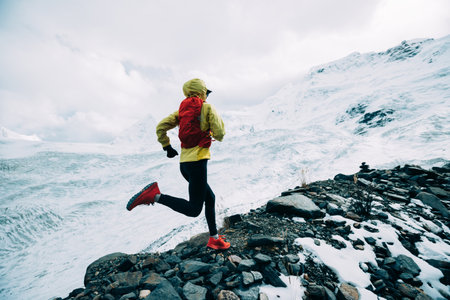
India’s trekking landscape is as diverse as its culture, offering routes that range from the snow-capped peaks of the Himalayas to the lush greenery of the Western Ghats and the arid terrains of Rajasthan. Each region presents unique challenges when it comes to managing food and hydration, making it crucial for trekkers to understand how varying altitudes, temperatures, and humidity levels influence their bodily needs. For example, high-altitude treks in Ladakh or Himachal Pradesh require more frequent hydration due to dry air and increased risk of dehydration, while humid forests in the Northeast may cause faster sweating and electrolyte loss. The length and difficulty of each trek, along with local weather conditions—like monsoon rains or summer heat—directly affect how much water and food you should carry and consume. Being aware of these regional differences helps trekkers plan their nutrition and hydration strategies effectively, ensuring safety and optimal energy levels throughout their journey.
Choosing the Right Indian Foods for Treks
When trekking in India, selecting food that aligns with local tastes, is easy to carry, and supports your energy needs is crucial. Indian cuisine offers a variety of options that are not only tasty but also suitable for the physical demands of trekking. Let’s explore some popular and practical choices:
Energy-Boosting and Easily Digestible Options
For trekkers, food should be light on the stomach yet provide sustained energy. Here are some Indian foods commonly chosen by seasoned trekkers:
| Food Item | Main Benefits | Cultural Notes |
|---|---|---|
| Poha | Light, quick to cook, rich in carbs and iron | A favourite breakfast across Maharashtra and Madhya Pradesh; vegan-friendly |
| Parathas | Filling, versatile (can be stuffed with potatoes, paneer, or greens), provides lasting energy | Widely eaten in North India; can be packed with pickle or curd |
| Chikki | Compact, high-energy snack made from jaggery and peanuts or sesame seeds | A traditional sweet from Maharashtra; keeps well during long journeys |
| Dry Fruits & Nuts | Packed with healthy fats, protein, and micronutrients; easy to portion and store | Almonds, cashews, raisins—favoured as travel snacks across India |
| Sattu Drink or Ladoo | Rich in protein and fibre; helps sustain hydration and energy levels | Bihar’s staple for travellers; convenient for making instant drinks or snacks |
| Thepla/Khakra | Non-perishable flatbreads with spices; good for long treks without refrigeration | Common in Gujarat; pairs well with chutney or pickles |
Considering Local Tastes and Dietary Preferences
Trekking groups often consist of people with diverse dietary needs—vegetarianism is common in many parts of India, while others may prefer gluten-free or vegan options. Fortunately, most of the above foods can be adapted to suit these preferences. For example, poha and chikki are naturally gluten-free, and parathas can be made with millet flour for those avoiding wheat.
Quick Tips for Food Management on Indian Treks:
- Portion Control: Pack single-serving sizes to avoid wastage and ensure freshness.
- Cultural Sensitivity: If trekking in remote areas or through villages, consider local customs regarding food sharing and preparation.
- Allergy Awareness: Peanuts and dairy are common ingredients—always check with group members about allergies.
Safety First!
Select foods that do not spoil quickly in heat and humidity. Avoid perishable dairy products unless you have reliable cold storage. Always wash hands before eating and use clean utensils to prevent foodborne illnesses during your trek.

3. Planning Meal and Snack Timing
Proper timing of meals and snacks is crucial for maintaining energy levels during trekking in India’s diverse terrains, from the Western Ghats to the Himalayas. Start your day with a wholesome breakfast, ideally one that includes complex carbohydrates like poha, upma, or parathas, along with protein sources such as eggs or sprouts. Breakfast should be eaten at least 30 to 60 minutes before you begin your trek to allow for digestion and sustained energy release.
As you trek, plan to have small, frequent snacks every 1.5 to 2 hours. These can be traditional Indian trail foods like chikki (peanut brittle), roasted chana, dry fruits, or energy bars. Carrying smaller portions helps avoid heaviness while providing steady fuel. Schedule a light lunch, such as rotis with sabzi or a rice pulao with dal, during a longer break around midday. Avoid heavy fried foods which can cause sluggishness.
In the afternoon and towards the end of your trek, continue to snack lightly—think banana chips or murmura (puffed rice mix)—to maintain stamina without overburdening your digestive system. Always listen to your body; if you feel hungry or fatigued earlier than planned, do not hesitate to eat a little more. This approach ensures consistent energy levels and reduces the risk of exhaustion or sudden drops in blood sugar during challenging Indian treks.
4. Hydration Strategies for Indian Climates
Staying hydrated during trekking in India is crucial due to the country’s diverse climates, ranging from humid jungles to arid high-altitude regions. Dehydration can lead to fatigue, dizziness, or even serious health risks, so it is important to understand how much water you need and how to access safe drinking sources along your route.
Tips for Staying Hydrated
- Regular Sips: Instead of waiting until you feel thirsty, take small sips frequently. This helps your body absorb water more efficiently and prevents sudden dehydration.
- Monitor Urine Color: Light yellow urine usually indicates adequate hydration, while dark yellow suggests you need to drink more water.
- Avoid Excessive Caffeine: Tea and coffee are popular in India, but they can increase urination. Balance them with plain water intake.
Adjusting Water Intake Based on Conditions
| Condition | Recommended Water Intake (per hour) | Special Considerations |
|---|---|---|
| High Altitude (above 2500m) | 500-750 ml | Increased risk of dehydration due to rapid breathing and dry air; avoid overhydration to prevent hyponatremia. |
| Tropical/ Humid Regions | 400-600 ml | Sweating leads to salt loss; consider electrolyte supplements or ORS sachets available locally. |
| Desert/ Dry Regions | 700-1000 ml | Carry extra water as sources may be scarce; protect from sun exposure by wearing a cap or scarf (“gamcha”). |
Utilising Safe Local Water Sources
- Piped Water & Mountain Streams: In the Himalayas or Western Ghats, look for village taps or mountain streams. Always purify the water before drinking.
- Bottled Water: Widely available in most trekking regions, but ensure the seal is intact to avoid contamination.
- Temple Tanks & Village Wells: Common in South Indian treks, but always use purification tablets or portable filters.
Purification Methods for Trekkers in India
- Boiling: Bring water to a rolling boil for at least 1 minute (longer at higher altitudes).
- Pills & Drops: Iodine or chlorine-based tablets are lightweight and effective against most pathogens found in Indian water sources.
- Filtration Bottles: Portable filters remove bacteria and protozoa. Many trekkers in India prefer brands like LifeStraw or locally available alternatives.
- Steripen (UV): Useful for fast disinfection if carrying batteries is feasible on your trek.
Trekking safely in India means respecting both the demands of the environment and local practices. Always carry enough water, adjust your intake based on climate and activity level, and use reliable purification methods to ensure your hydration supports your adventure rather than puts you at risk.
5. Managing Quantity: Avoiding Over- and Under-eating
Properly managing how much you eat during your trek in India is just as important as what you eat. Over-eating can leave you feeling heavy and sluggish, while under-eating may cause weakness and dizziness—both of which can put your safety at risk, especially on challenging Indian trails like those in the Himalayas or Western Ghats.
Understanding Your Body’s Needs
Everyone’s body is different. Your age, weight, trek intensity, weather conditions, and personal metabolism all affect how much food you need. In the Indian context, trekking at high altitudes (such as Uttarakhand or Himachal Pradesh) demands more calories than lower-altitude routes like those in the Nilgiris. Listen to your hunger cues and avoid forcing yourself to finish large portions if you feel full.
Estimating Portion Sizes
A simple method is to use your hand as a guide: one palm-sized portion of cooked rice or chapati per meal, and a fistful of dry fruits or trail mix for snacks. This approach works well with Indian foods, whether it’s poha, upma, or dal-rice. If you’re carrying packaged meals, check the serving size label and divide accordingly.
Planning Meals vs. Snacks
Main meals should be filling but not heavy—think two medium rotis with sabzi and a small bowl of curd. For snacks between meals, opt for light yet energy-boosting options like roasted chana, peanuts, or bananas. Avoid sugary sweets that can give a quick spike and crash in energy. Instead, choose slow-release carbs such as khakhra or murmura mix.
Adapting to Trek Difficulty
If your trek is particularly strenuous (like Kedarkantha or Valley of Flowers), slightly increase your portion sizes for both meals and snacks. On easier trails (such as those around Lonavala), smaller portions will suffice. Always carry extra snacks in case your energy needs are higher than expected due to weather changes or longer trekking hours.
Final Tips for Balanced Eating
Don’t skip meals thinking it will make you lighter; it can actually reduce stamina and mental alertness. Take regular breaks to eat small portions rather than waiting until you’re very hungry. Hydrate alongside your meals but avoid drinking too much water immediately after eating to prevent bloating. By staying mindful of quantity and listening to your body’s signals, you’ll maintain steady energy throughout your Indian trekking adventure.
6. Safety Precautions and Local Practices
Food Safety Tips for Trekkers in India
Maintaining good food hygiene is crucial when trekking across India’s diverse landscapes, from the Himalayas to the Western Ghats. Always ensure your meals are freshly prepared and served hot, especially when consuming local dishes at dhabas or small eateries. Avoid raw salads or unpeeled fruits unless you can wash and peel them yourself with safe water. Carry a personal set of utensils and a reusable water bottle with a reliable filtration system, as tap water may not be safe for drinking or washing food in remote areas.
Adapting to Local Produce and Spices
Embrace locally available foods like chapati, dal, poha, and seasonal fruits such as bananas or oranges, which are energy-dense and easy to digest during treks. Indian cuisine often includes spices that may be new to your system—start with milder dishes and gradually try spicier options if you’re comfortable. When purchasing snacks like chikki (nut brittle), roasted grams, or packaged namkeen, check expiry dates and packaging integrity to avoid spoilage or contamination.
Responsible Waste Disposal on the Trail
Indian trekking routes such as those in Uttarakhand, Himachal Pradesh, and Sikkim emphasize eco-friendly practices. Always pack out what you pack in: collect all wrappers, food waste, and disposable bottles in a designated bag. Use biodegradable waste bags where possible and dispose of trash only at official collection points or carry it back to base towns. Respect local customs by refraining from littering sacred sites or water sources—many communities consider rivers holy and rely on them for daily needs.
Respecting Local Guidelines and Cultural Norms
Follow local guidelines regarding open fires and cooking; use portable stoves instead of collecting wood from forests, which can harm fragile ecosystems. Seek advice from local guides about suitable foods, water sources, and disposal points—they have invaluable knowledge of region-specific safety measures. By adapting your habits to Indian conditions, respecting community practices, and observing strict food safety protocols, you’ll contribute positively to both your health and the pristine environments you explore.